What you need to know
Marine protected area? Unfortunately, just a paper park.
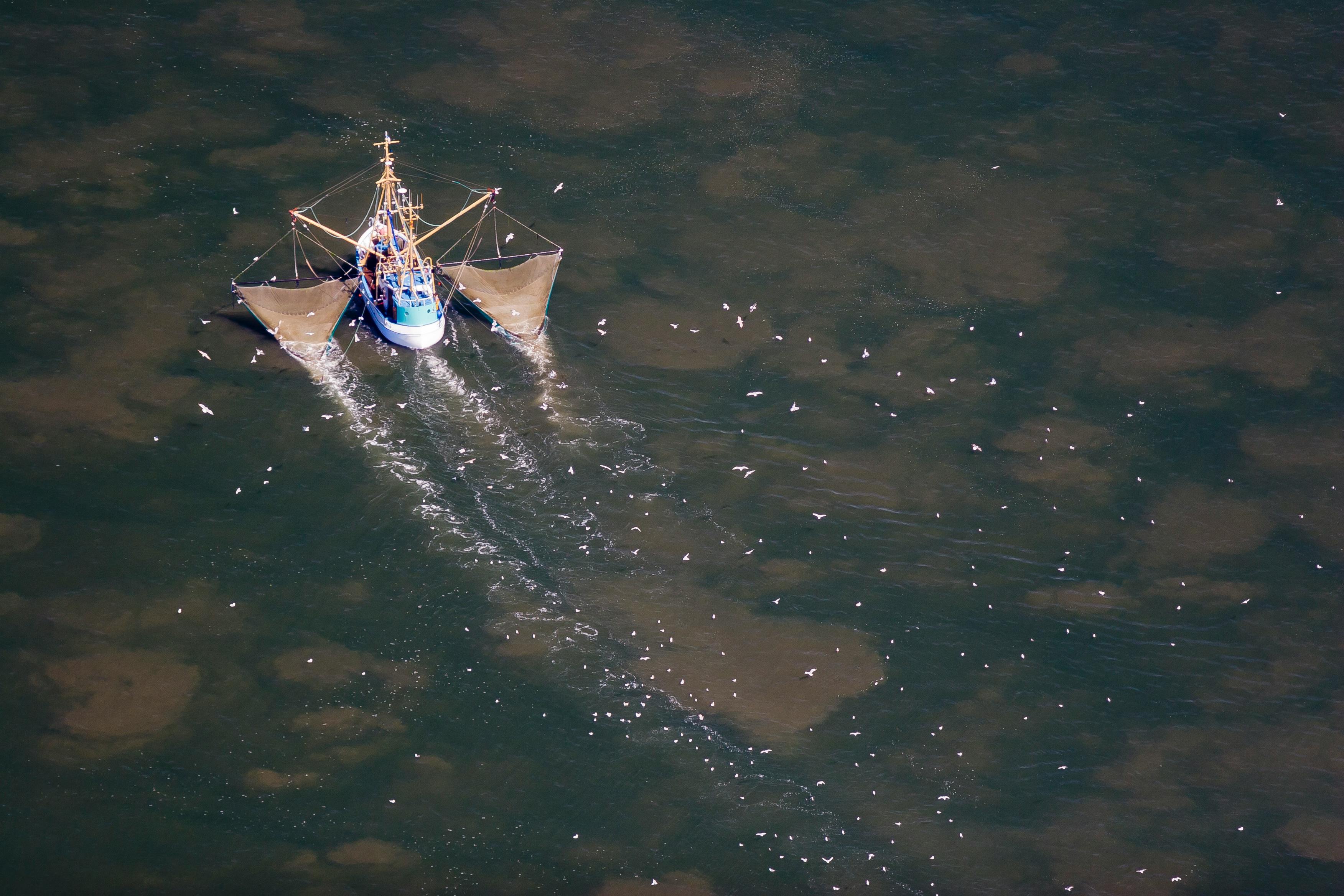
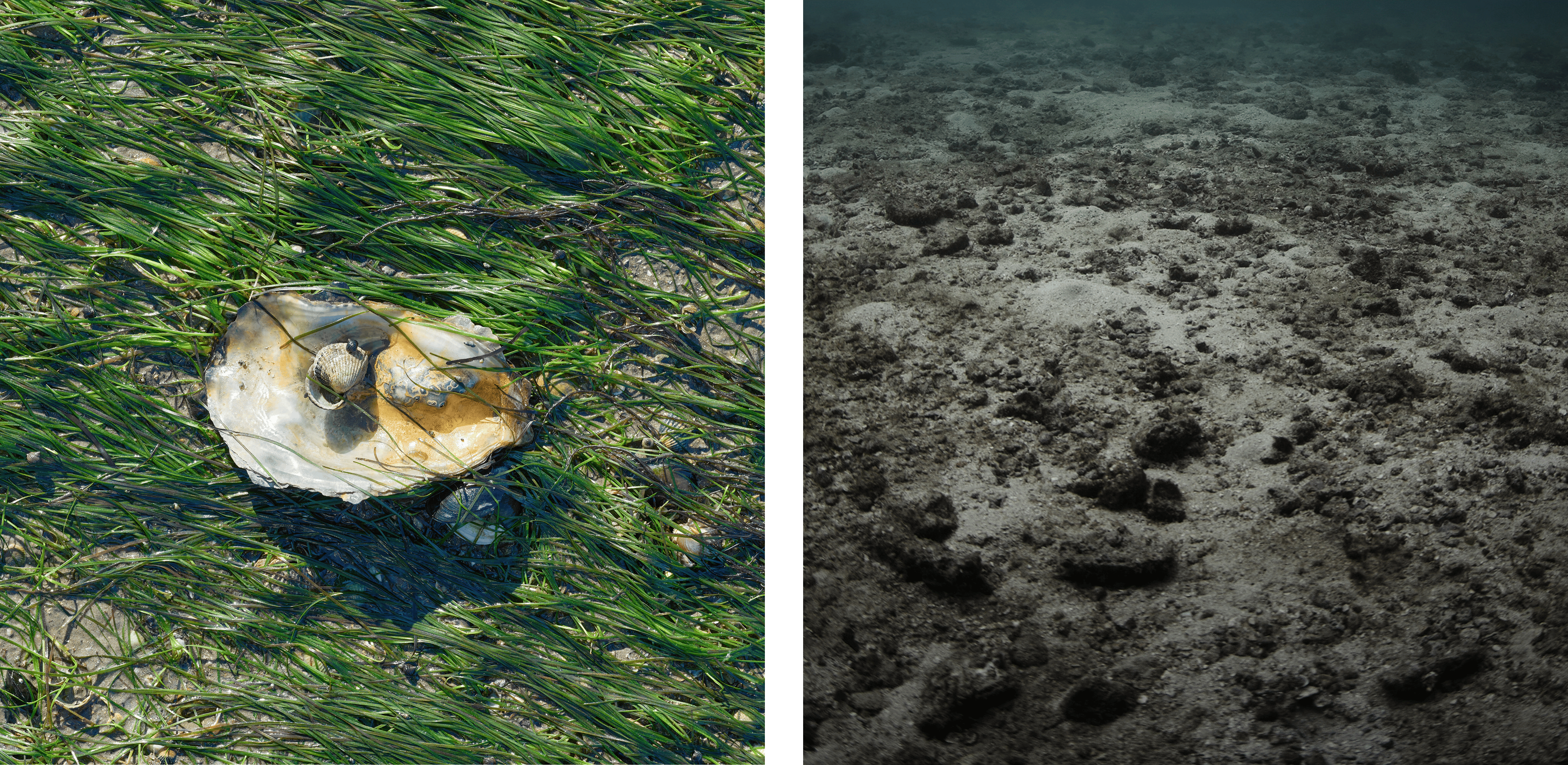
Even inside Germany’s marine protected areas (MPAs), bottom trawling for brown shrimp continues to destroy some of the North Sea’s most sensitive habitats. Shrimp boats drag heavy nets across the seabed, leaving devastation behind: vital ecosystems such as sand-coral reefs have already disappeared, while seagrass meadows, mussel beds, and crucial nursery grounds for fish are still being ruthlessly sacrificed for short-term profit.
By allowing this destruction to continue in officially protected areas, Germany is knowingly violating EU law.
Join us and help stop destructive fishing in the Wadden Sea. We are calling for a ban on bottom trawling in marine protected areas — for the future of our seas.
What's the issue?
Crime Scene: Wadden Sea National Park.
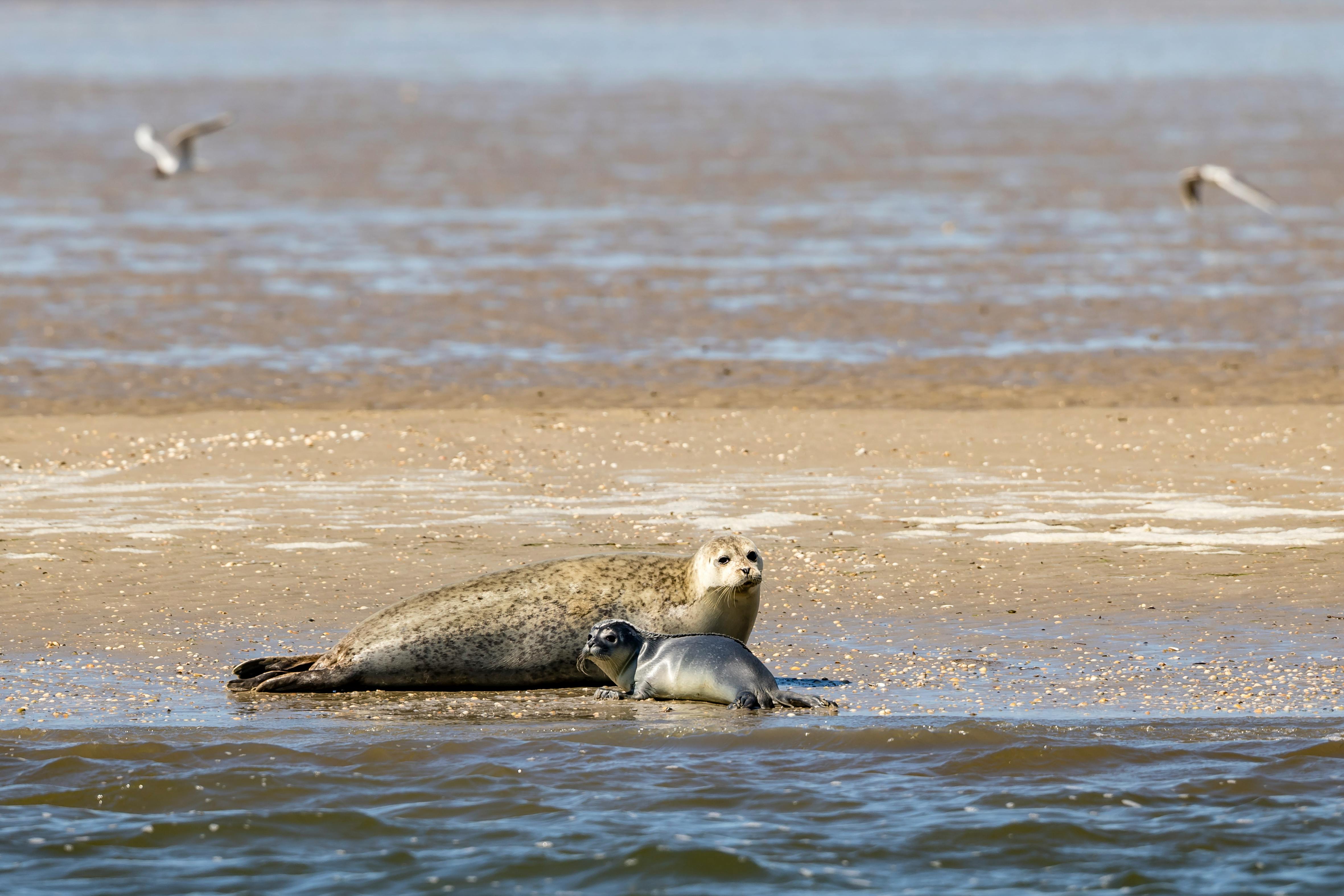
The North Sea is home to some of Europe’s most important marine habitats, including the Wadden Sea, which is under special protection. In reality, bottom trawling for brown shrimp continues here.
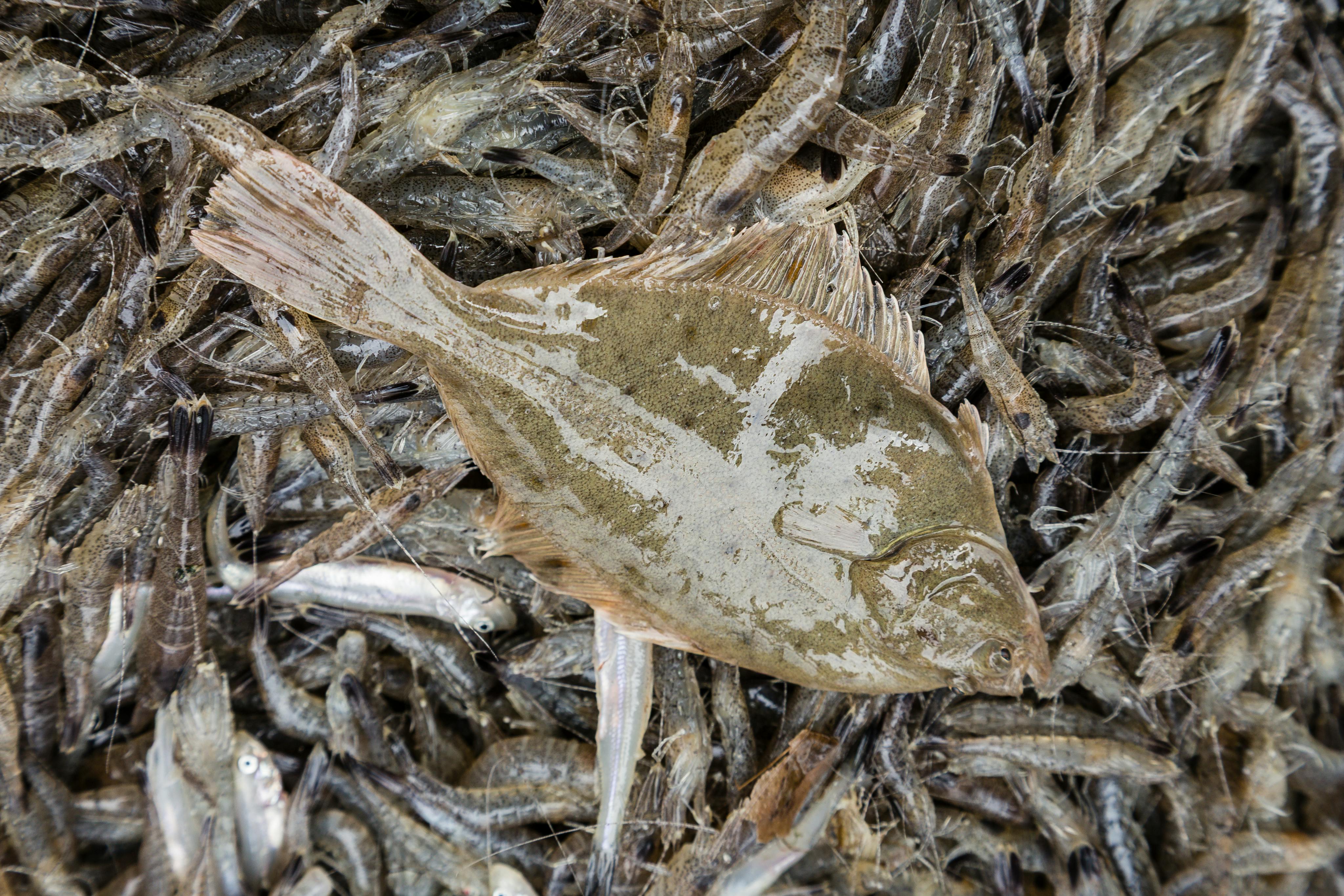
This destructive fishing method has little to do with sustainable fishing. When nets are dragged across the seabed, they tear up everything in their path. Sediments are stirred up, seabed fauna such as mussels and juvenile fish are killed, and entire ecosystems — including seagrass meadows, mussel beds, and sea moss — are destroyed.
The loss of these habitats weakens biodiversity, reduces the resilience of fish populations, and undermines long-term, sustainable fisheries.
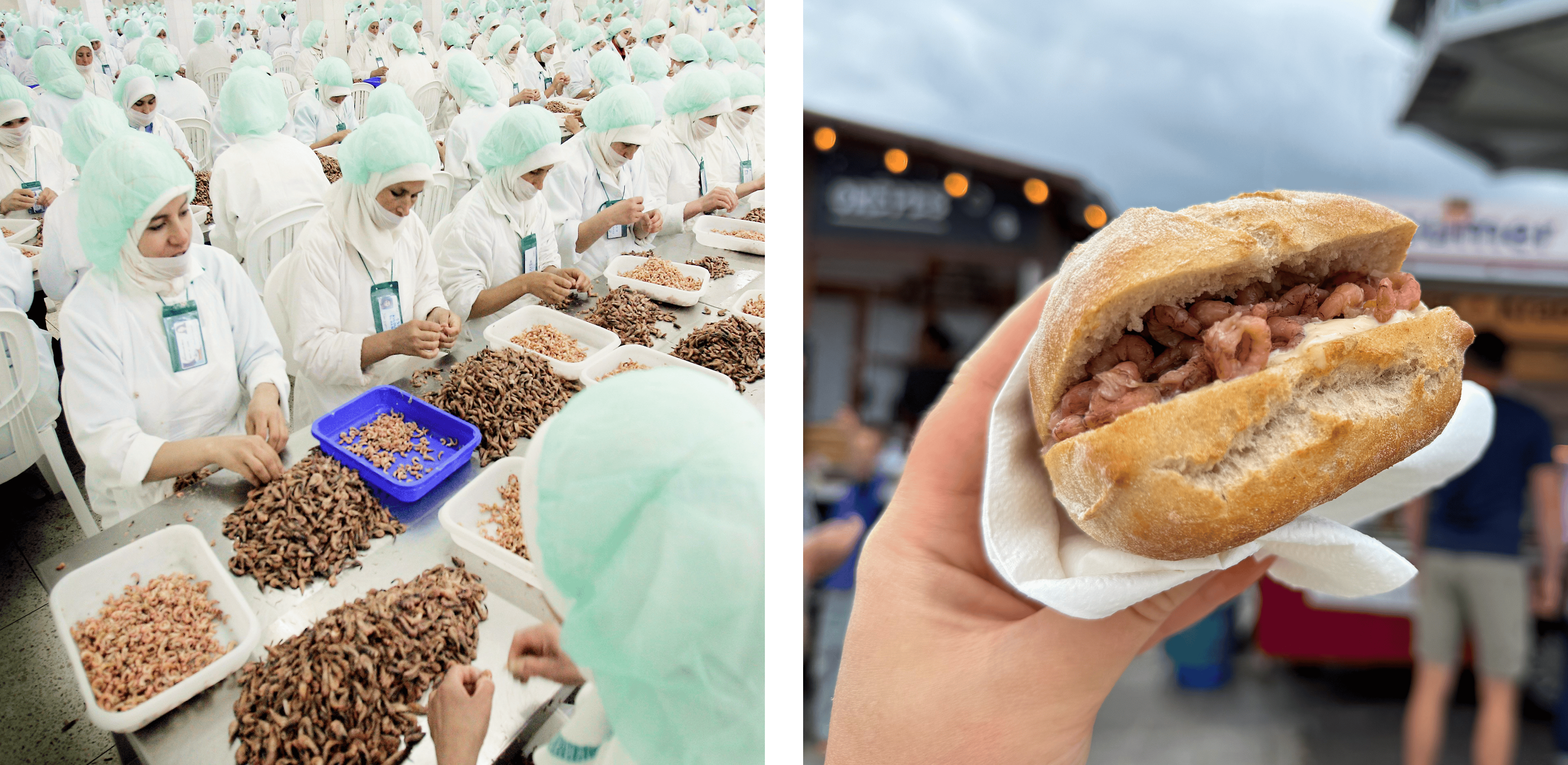
This destruction is part of an absurd system. Brown shrimp are marketed as a “local delicacy,” despite the fact that before they reach our plates they travel thousands of kilometres to be peeled by low-paid workers in countries such as Morocco. Preserved with additives, they are then shipped thousands of kilometres back to Germany — with little connection to real freshness. The result is a system in which economic value leaves Germany, while the ecological damage is borne by local communities.
If marine protected areas are to fulfil their purpose — restoring biodiversity, securing fish populations, and offering coastal communities a sustainable future — bottom trawling must end in protected areas.
And what is Germany doing? Under EU law, including the Habitats Directive, Germany is legally obliged to protect its MPAs and prevent harmful activities. But this is not happening. Bottom trawling takes place in over 70% of North Sea protected areas. In allowing this, Germany is violating EU environmental law.
Why your voice matters
Destructive bottom trawling has so far continued with little public resistance — but together we can change that. Public pressure has driven change before, and it can do so again.
Your voice sends a clear message to decision-makers: when Germany says “protected,” it must truly mean protected.
What happens next
Your signature strengthens our efforts in Berlin and along the coast — supporting political engagement, legal action, and concrete protection measures. Only sustained public pressure will ensure that “protected area” finally becomes more than just a label.